

과거 전시

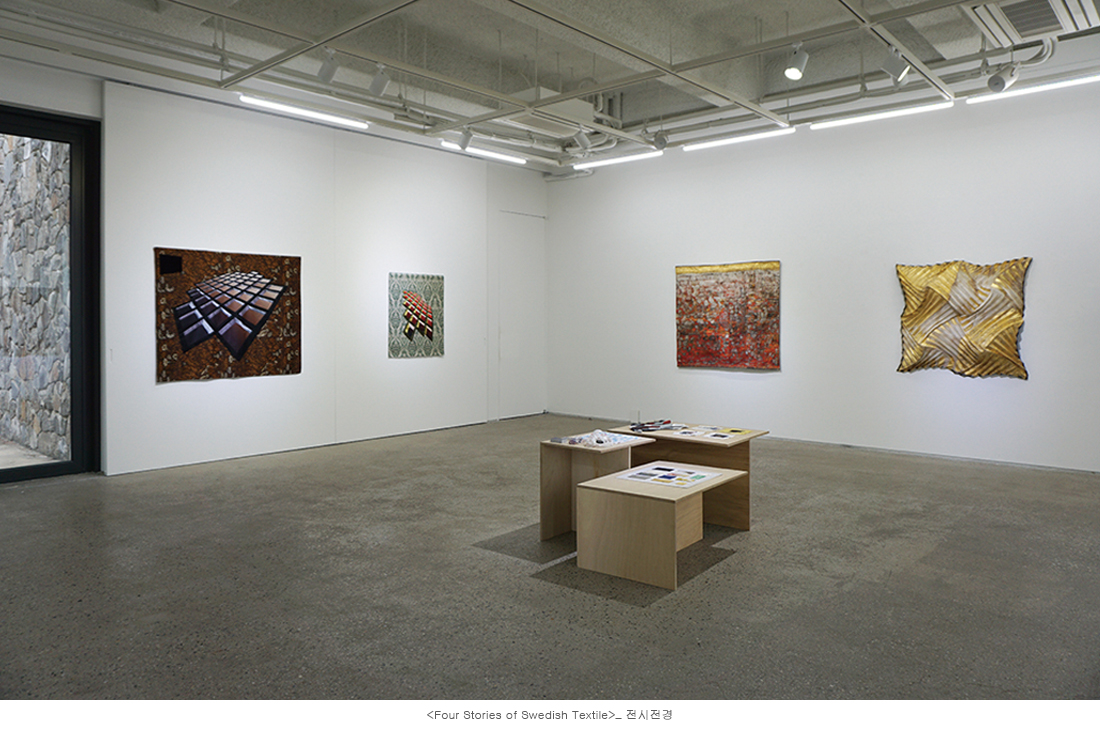
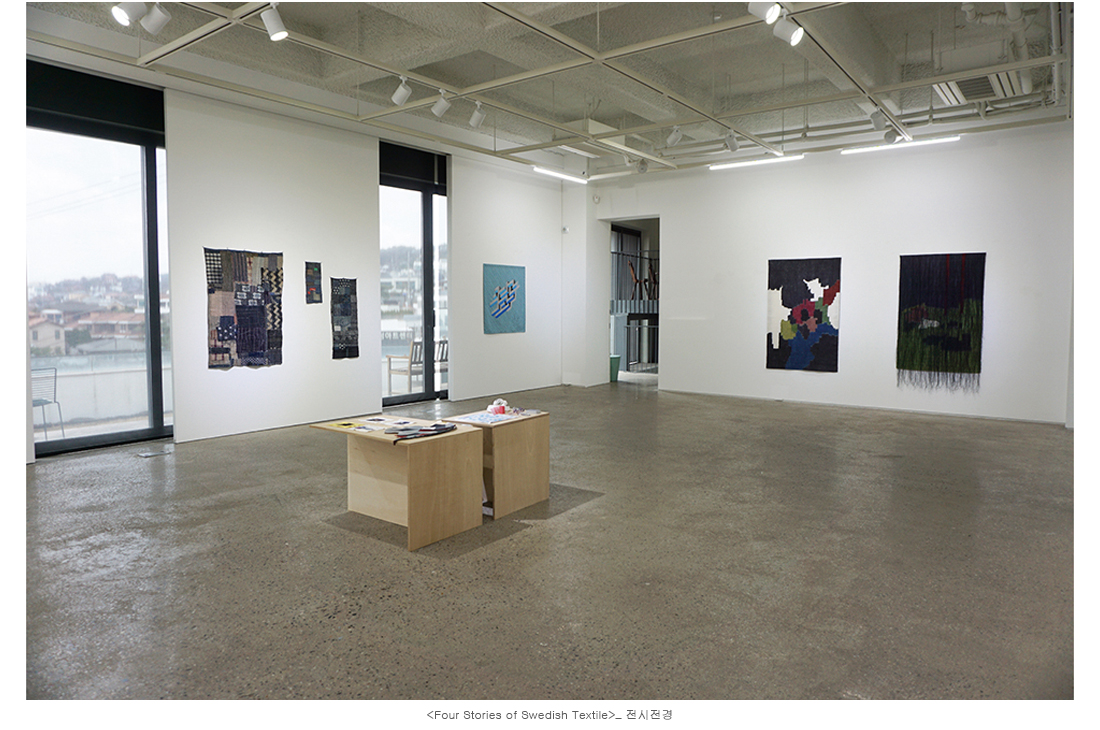
< Four Stories of Swedish Textile >
Inger Bergström, Jin Sook So, Katja Beckman Ojala, Takao Momiyama
2024.3.20-4.2 (11:00-18:00)
Opening reception 3.22 (Fri) 15:00-18:00
-전시서문-
오랜 전통을 간직한 스웨덴 섬유 예술에는 1844년에 개교한 미술공예학교와 1874년에 설립한 텍스타일 아트 우호협회의 기여가 매우 크다. 두 단체를 기반으로 체계적인 교육과 육성이 가능했기 때문이다. 또한, 정부는 섬유 예술의 장인들과 상업적인 시장을 연결시켜 주었으며, 동시에, 전시를 적극적으로 후원해, 섬유 예술이 단순한 인테리어 소품에 머물지 않고 예술적인 하나의 장르로 세계 무대에서 자리 잡을 수 있도록 큰 도움을 주었다. 본 전시에서는 이런 스웨덴 섬유 예술의 전통을 계승하면서 현대적으로 재해석하는 잉예르 베리스트룁, 소진숙, 카티야 벡크만 오얄라, 타카오 모미야마 네 작가를 소개한다. 이들은 섬유 예술의 실용성 보다 예술적으로 선보이는 데에 심혈을 기울이는 작업을 지속하고 있다.
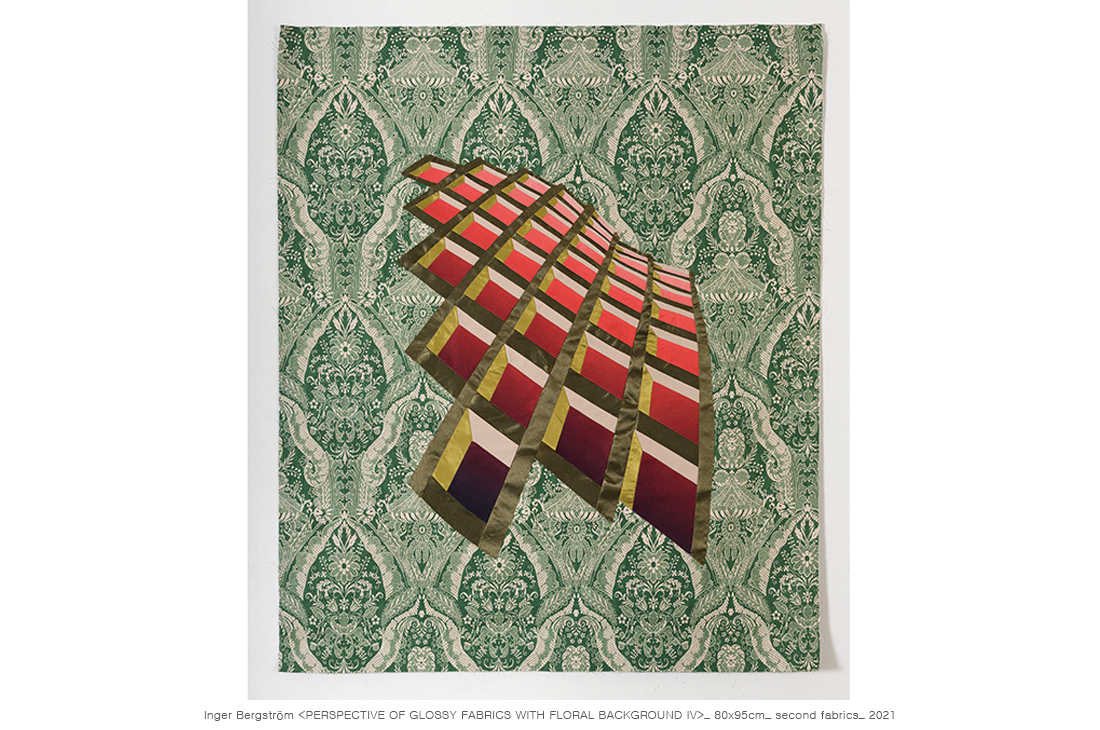
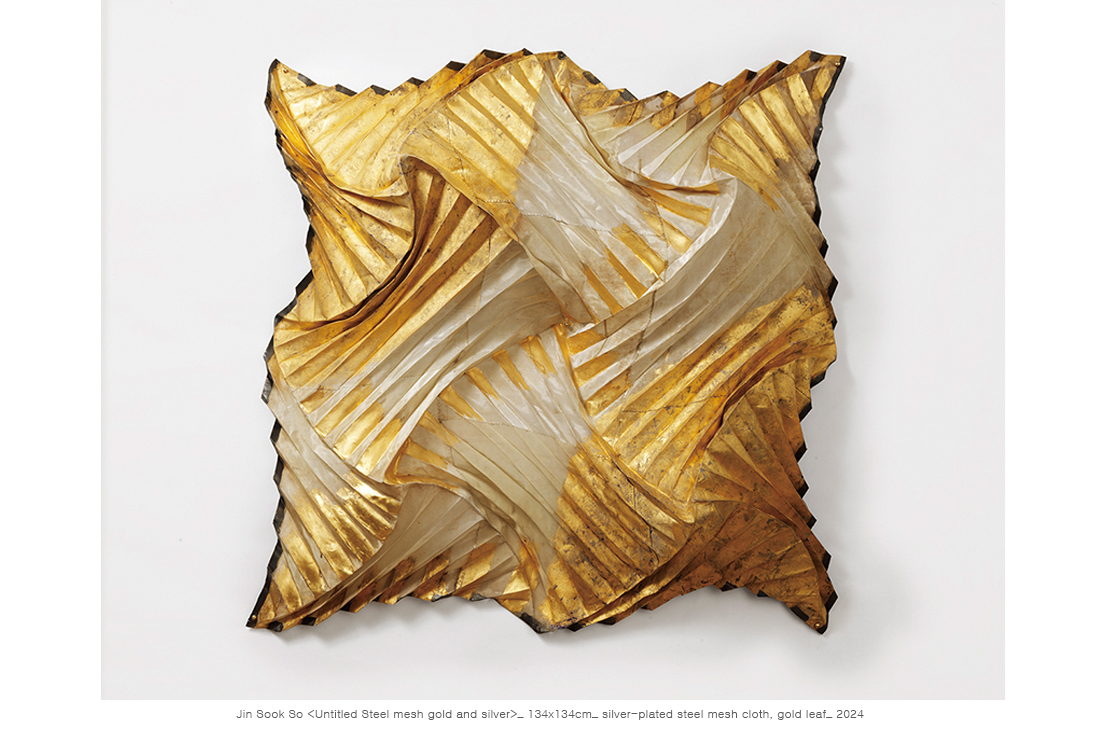
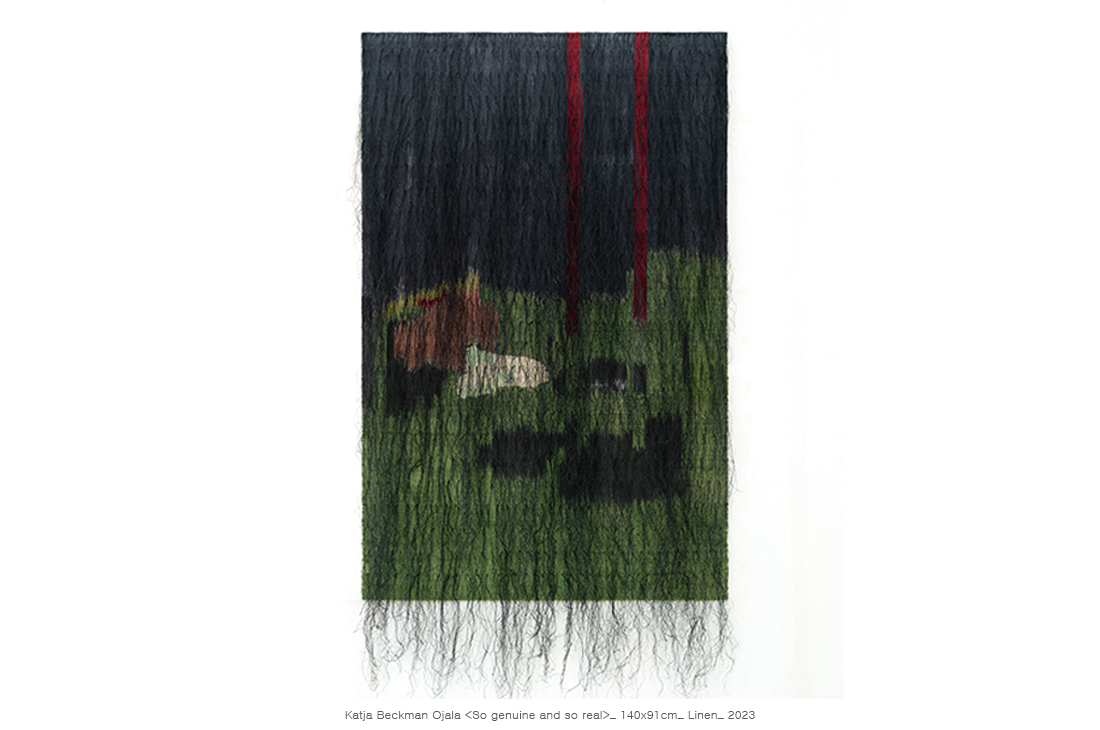
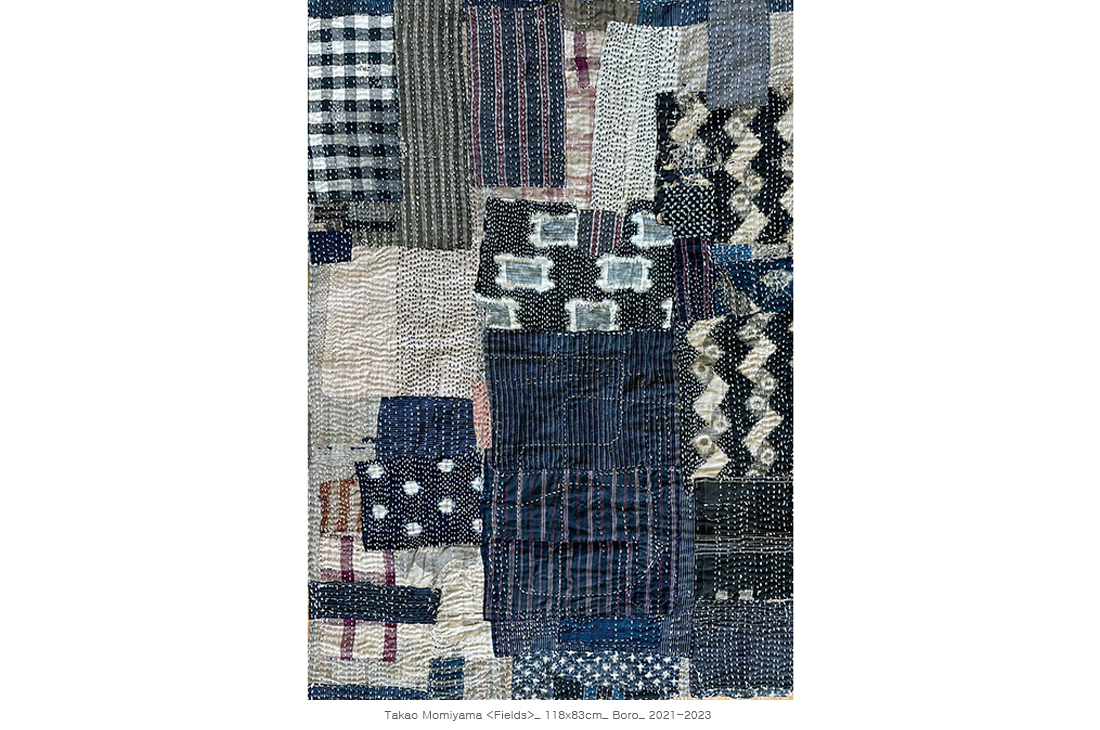
잉예르 베리스트룁은 수학적인 사고를 기반으로 2차원과 3차원을 넘나드는 작품을 보여준다. 건축학적인 형태와 가상의 공간을 표현하기 위해 패치워크와 콜라주 기법을 활용하며, 오랜 세월을 간직한 천과 옵아트를 연상시키는 패턴이 만나 직물은 마치 공중을 부유하는 듯하다. 소진숙은 한국과 스웨덴의 전통 소재를 활용하며 작업 세계를 확장해 나간다. 한국의 보자기에서 영감을 받은 작가는 금속 그물에 은을 입히고, 조각보의 형태로 엮어내어 견고하면서도 3차원적인 작품을 만든다. 카티야 벡트만 오얄라는 스웨덴 전통 베틀 직조 기술을 활용하여, 자연에서 얻은 영감과 감정을 함께 엮어 내는 작업을 한다. 이번 전시에서 오얄라는 날실과 씨실을 직접 염색하고, 실들의 시퀀스를 계산하여 만든 실험적이면서 정교한 패턴이 담긴 작품을 보여준다. 타카오 모미야마는 작가의 고향 일본 시장에서 발견한 오래된 조각천들을 모아 한 땀 한 땀 바느질하여 버려진 천들에게 새로운 생명력을 불어넣는다. 망가져버린 천 조각들을 붙이고 고치면서, 작가만의 스티치로 일본의 “mottanai”(비경제적, 아까운) 개념을 작품에 담아내며 한 편의 추상화를 그린다.
이번 전시는 스웨덴 작가들의 섬유예술에 대한 열정과 고민의 흔적이 담겨 있다. 직물의 유연한 물성을 이용하여 다채로운 텍스타일 기법과 조형적 구성을 통해 만들어진 다양한 입체적인 작품으로, 텍스타일의 예술적 표현의 무한한 가능성을 전시에서 만나 보길 기대한다.
Using textiles as an artistic medium opens up a world of possibilities, interpretations and expectations. How the individual artist works in this realm is unpredictable and can lead to totally different genres and contexts. The exhibition, Four Stories of Swedish Textile, shows the works of a group of artists who despite their different expressions are united by an interest specifically for textile surfaces. It is in and on these surfaces that the content of the work grows. The artists use carefully honed methods so that the threads and cloths become a ”painterly” tool. The artworks themselves embody the processes and convey the stories of their making.
Katja Beckman Ojala was educated in classical weaving techniques before completing a MFA at Konstfack University of Arts, Crafts and Design in Sweden. It is in weaving that she finds her own artistic language, but she always strives to challenge and expand the limits of the techniques. Nature is an important source of inspiration for her, but it is not her intention to portray or illustrate, rather a question of grasping the emotional status. In the exhibition, Beckman Ojala shows two textile works, in which she explores a technique called kasuri. In this intricate process the warp threads are partially dyed so that the image is revealed when woven. The method is a mathematical process, where she calculates how the colours meet each other in the woven structure.
Mathematical thinking is also an aspect of Inger Bergstrom’s work. She uses patchwork technique to build up a collage-like works that can be associated to traditional textile handicraft as well as to abstract paintings and op-art. A reoccurring interest is the tension between the three dimensional and the two dimensional. Architectural forms and illustrative spaces seem to wonder over the patterned cloth surface. Bergstrom sews together second hand fabrics and the works create a kind of double image. On one hand the fabric’s surface can be thought of as purely formal, the different colours, materials and lustres. On the other hand, the cloths themselves carry histories, contexts and stories.
An interest in the cloth’s history is also evident in the works of Takao Momiyama. He uses rags and cloth pieces found on the markets of his homeland, Japan. With needle and thread, he puts them together one after another. Abstract compositions grow when the old and worn pieces of cloth are assembled. The concept of Mottanai translating roughly to “waste not, want not”, is his main theme. It incorporates his thoughts about the slow sewing process, the life of the fabrics, patching and repairing. “It’s about time, a relationship to the materials I work with emerges. There is a story within the material and a new one is created”, he says.
Jin sook So also uses traditional techniques and pushes them further into a free artistic context. She takes inspiration from Bojagi, the Korean concept of using a cloth to wrap something. The fabric is often produced using patchwork technique, but here it is transformed into a more solid material. In Jinsook´s work, silver net pieces are carefully put together with needle and thread and become a painterly, shimmering surface. Childhood memories of origami have inspired her to work with folded metal mesh. She folds and forms the material under heat to create abstract three-dimensional compositions that build up into reliefs.
with support from IASPIS